
How much does dental treatment cost in Albania? A guide for international patients
A practical guide for international patients who want to understand dental treatment costs in Albania, what affects pricing, and why a personalized treatment plan is essential.
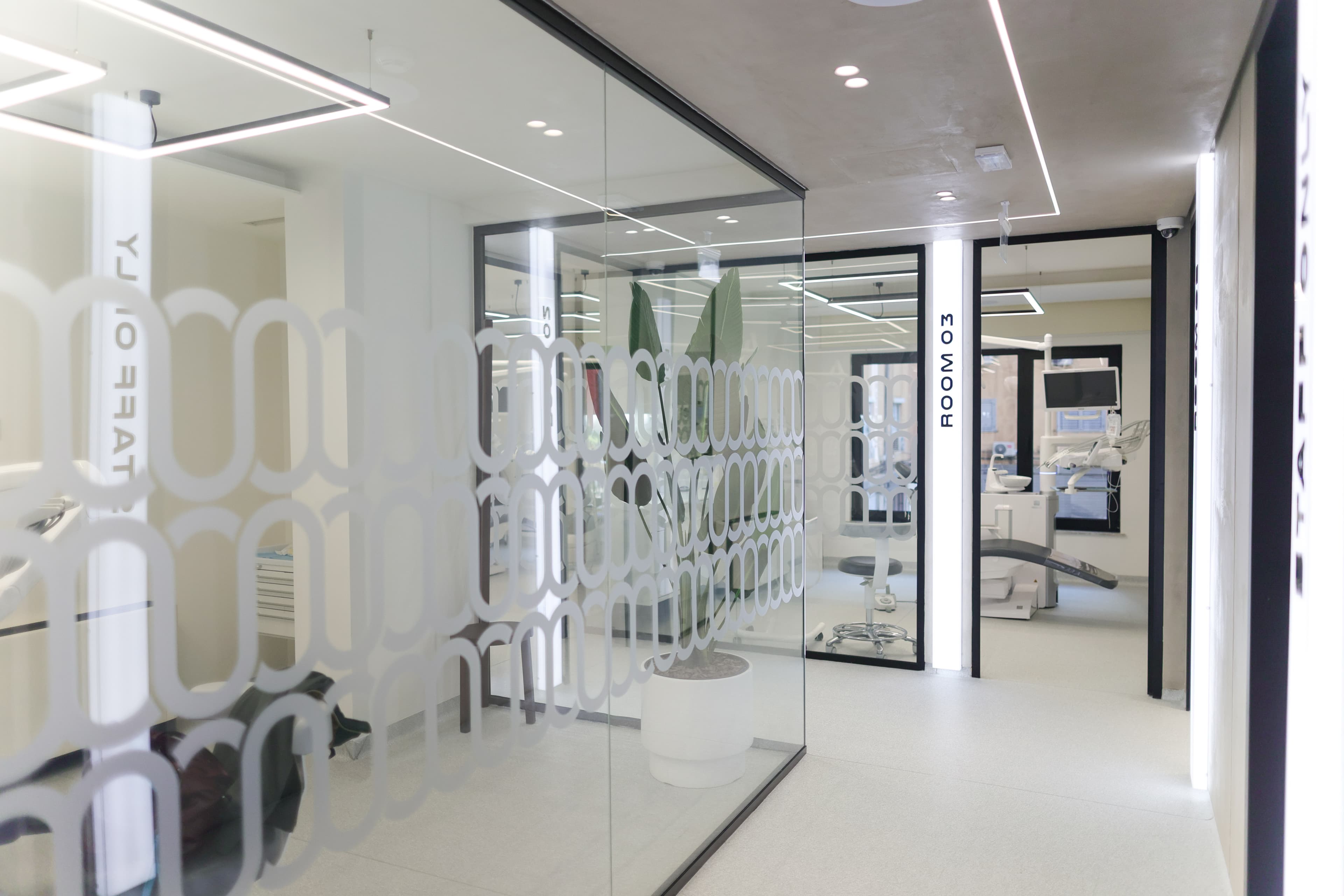
One of the most common questions international patients ask is: how much does dental treatment cost in Albania? It is a natural question, especially when considering dental implants, crowns, veneers, or full mouth rehabilitation.
However, there is no single answer that applies to every patient. The cost depends on the clinical situation, the number of teeth involved, the materials selected, and whether implants, extractions, bone regeneration, or temporary prosthetics are needed.
Why do patients choose Albania for dental care?
Albania has become an increasingly considered destination for patients looking for organized dental care, clear communication, and more accessible costs compared with many other European countries.
Its location, international patient support, and experience with complex dental treatments make it a practical option for patients planning dental care abroad.
What affects the cost?
The final price is not only about the number of teeth. A correct treatment plan must consider gum health, bone volume, tooth position, bite, smile aesthetics, and long-term stability.
This is why two patients with similar-looking problems may need different treatment plans. One may need crowns, while another may require implants, extractions, or preparatory treatments.
Treatments that can influence the price
- Number of teeth involved
- Dental implants needed
- Zirconia, ceramic, or other crown materials
- Dental veneers
- Tooth extractions
- Bone regeneration or sinus lift
- Temporary and final prosthetics
- Number of visits and follow-up appointments
Why is it not enough to ask for a price by phone?
Asking for a price without diagnosis can be misleading. A serious clinic needs to understand the real condition of the patient’s mouth first. Photos, X-rays, and a clinical examination help create a more accurate plan.
A quick quote without evaluation may seem convenient, but it can miss important issues such as infections, bone loss, or old dental work that needs replacement.
The lowest price is not always the best choice
Saving money matters, but price should not be the only factor. In complex dental treatments, diagnosis, material quality, clinical experience, laboratory precision, and follow-up care are extremely important.
A good result should look natural, function well, and remain stable over time. Choosing only the lowest price may lead to higher costs later if treatment needs to be corrected or replaced.
What should a clear quote include?
- Initial diagnosis and explanation of the problem
- Number of teeth or implants involved
- Recommended materials
- Treatment stages
- Expected timing
- Any additional procedures
- Follow-up care and aftercare instructions
How to prepare before travelling
Before organizing travel, patients should send smile photos, recent X-rays if available, and a clear description of the problem. This helps the clinic make an initial evaluation and understand what information is missing.
The final treatment plan is confirmed after a clinical examination, but a good initial evaluation helps patients travel with more realistic expectations.
Questions to ask the clinic
- Does my case require implants, or can some teeth be saved?
- What materials will be used?
- How many visits will be necessary?
- Will more than one trip be needed?
- Will I receive temporary teeth during treatment?
- How does follow-up care work after treatment?
Conclusion
Dental treatment in Albania can be a good choice for international patients looking for organized care, accessible costs, and a personalized plan. However, the real cost always depends on diagnosis and clinical needs.
The best way to understand the price is not to look for a generic number, but to request a personalized evaluation. A clear plan helps patients understand the treatment stages, materials, timing, and options suitable for their case.
The information in this article is for educational purposes and does not replace a personalized dental examination.